When it comes to unique wildlife, Australia is honestly in a league of its own! The animals on the Australian continent include egg‑laying mammals, region based marsupials with pouches and kangaroos! Australian animals have life cycles that are really quite fascinating and challenge everything we know about the animal kingdom.
Teaching these life cycles isn’t just good science in the classroom, but it’s a chance to spark wonder, compare and contrast with more familiar animals. It can also help your students to better explore concepts like adaptation, reproduction, and growth.
But in order to teach life cycles effectively, you need visuals that are clear, accurate and engaging. That’s where the right clipart makes all the difference in your lesson! In this post, allow me introduce you to two of my most popular Australian animal life cycle clipart bundles and show you exactly how to use them in the classroom!
Why Australian Animals?
Most K‑2 students are familiar with simply animals like frogs, butterflies and chickens. But the platypus? The kangaroo? The echidna? These animals break the rules. A platypus lays eggs but is a mammal. Kangaroos give birth to tiny, underdeveloped joey that crawl into their pouch to finish growing. An emu’s father sits on the eggs while the mother moves on to other things. These “out of the ordinary” life cycles will grab your students’ attention and deepen their understanding of biological diversity around the world.
Teaching Australian animal life cycles also helps your students to naturally connect animals to geography. So when your student thinks of a platypus, they’ll automaticall connect it to Australia! There’s nothing quite like the look on a first grader’s face when they learn that a baby kangaroo is about the size of a jellybean!
 Bundle #1: Australian Animals Clipart Bundle #1
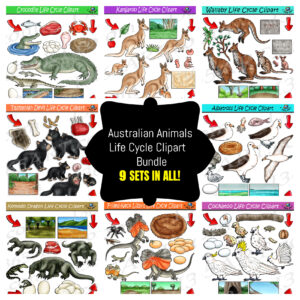
My first bundle focuses on Australia’s most famous marsupials. Marsupials are mammals that carry their young in a pouch. This bundle includes detailed life cycle clipart for:
-
Kangaroo – From newborn joey (less than an inch long) to joey in pouch to independent adult.
-
Koala – From tiny joey (called a “pouch young”) to riding on mom’s back to eucalyptus‑eating adult.
-
Wombat – From single joey born after a short gestation to leaving the pouch at 6–8 months.
-
Tasmanian Devil – From tiny, hairless joeys (as many as 50 born, but only four survive in the pouch) to independent young.
Each set includes the complete stages in clear illustrations, arrows, foods they eat and habitats. All images are high‑resolution PNGs with transparent backgrounds, perfect for worksheets, digital slides, posters, and interactive notebooks.
Classroom Idea – Pouch Flip Book
Have students create a “pouch” flip book using images from this clipart set. On the outside, draw or paste a mother kangaroo/koala with a flap for the pouch. Under the flap, students glue the joey stage images in order from smallest to most developed. This hands‑on activity is always a hit.
Download HERE!
 Bundle #2: Australian Animals Clipart Bundle #2
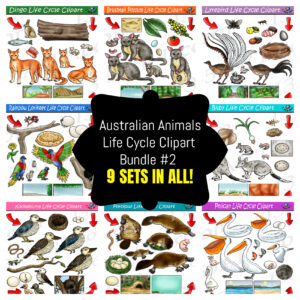 Bundle #2: Australian Animals Clipart Bundle #2
The second bundle covers Australia’s most unusual egg‑layers. These include monotremes (mammals that lay eggs) and iconic Australian birds.
-
Platypus – From egg laid in a burrow, to tiny blind hatchling, to juvenile swimming on its own, to adult with a bill and webbed feet.
-
Pelican – The large bird with the large beak!
-
Emu – From large green egg (laid by the female) to male incubating eggs for 8 weeks, to striped chicks, to the tall, flightless adult.
-
Kookaburra – From egg in a tree hollow to helpless nestling to fledgling learning to laugh.
Like the first bundle, each set comes with multiple stages, supplementary images, all with easy‑to‑use transparent backgrounds.
Classroom Idea – Life Cycle Comparison Chart
Create a simple T‑chart or Venn diagram comparing the platypus life cycle to the kangaroo life cycle. Students use clipart from both bundles to sort stages (egg‑laying vs. live birth, pouch vs. burrow, etc.). This directly addresses cross‑cutting concepts like patterns and cause‑and‑effect.
Download Set HERE!
Ready‑to‑Use Activities for Both Bundles
Whether you use one bundle or both, here are three activities that work beautifully.
Activity 1: Life Cycle Sequencing Mats
Print a large background mat with blank circles labeled 1, 2, 3, 4. Give students a set of clipart cards for one animal. They arrange the cards in the correct order and then write a short sentence about each stage. Laminate the mats and cards for a reusable science center.
Activity 2: Interactive Notebook Foldable
Print a set of reduced‑size stage images for each student. Students cut and glue them in order inside their science notebook. Under each image, they write one fact or a key vocabulary word (e.g., “joey,” “pouch,” “incubation”). This creates a lasting reference for review.
Activity 3: “Who Am I?” Life Cycle Riddles
Write riddles that describe an animal at a specific stage. For example: “I am tiny, pink, and hairless. I crawl into a warm, dark pouch. What am I?” (Kangaroo joey). Students use the clipart images to choose the correct answer. For a challenge, have students write their own riddles for a classmate to solve.
Differentiation Made Easy
-
For early learners or struggling students: Focus on only 3 main stages (beginning, middle, end). Provide a word bank with simple terms like “egg,” “baby,” “adult.”
-
For advanced students: Ask them to research and add the animal’s diet, habitat, and one adaptation. Or have them compare the life cycles of two different Australian animals using the clipart to build a poster.
-
For English Language Learners: The visuals are a huge support. Pair each stage image with a vocabulary card. Use sentence frames like “First, the _____ lays an egg. Then, the baby _____.”
Where to Find More Clipart Sets
You don’t need to search across multiple shops. I’ve created a comprehensive Animal Life Cycles Habitat Clipart Bundle right here on the site!
All images are high-resolution PNGs with transparent backgrounds, perfect for printables, digital lessons, projects, worksheets and bulletin boards.
You can purchase full bundles or individual sets. Plus, if you’re planning a larger unit on world habitats, check out my matching clipart for rainforests, deserts and bodies of water. You can also find more of my clipart sets of the same style that aren’t here on Clipart 4 School over at my TeachersPayTeachers Shop!
Products By Clipart 4 School
-
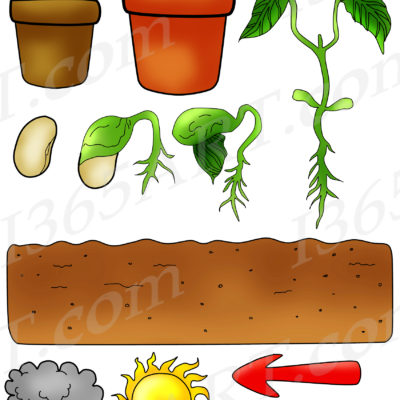
Plant Life Cycle Clipart – Lima Bean Set – Color & Black/White
$5.00 -
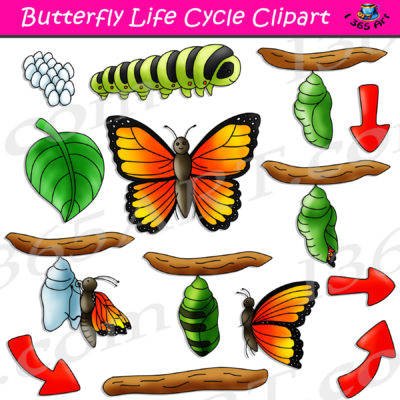
Butterfly Life Cycle Clipart Bundle
$5.00 -
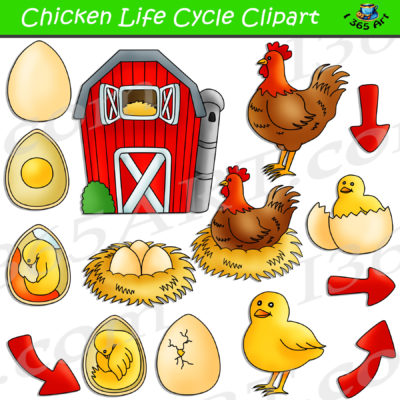
Chicken Life Cycle Clipart Bundle
$5.00 -
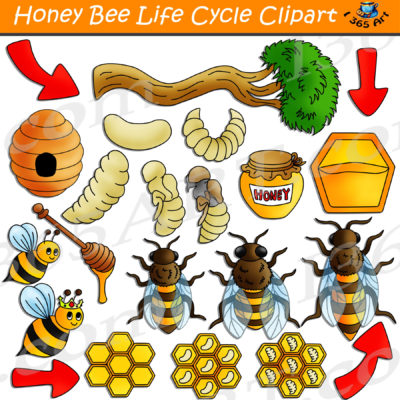
Honey Bee Life Cycle Clipart Bundle
$6.00 -
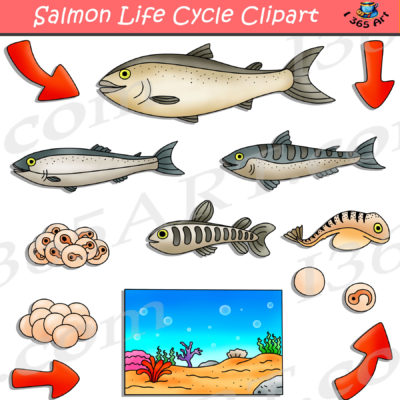
Salmon Life Cycle Clipart Bundle
$5.00 -
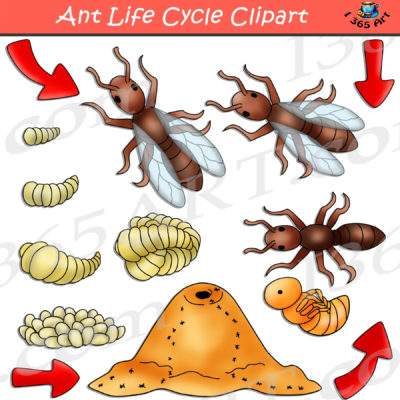
Ant Life Cycle Clipart Bundle
$5.00 -
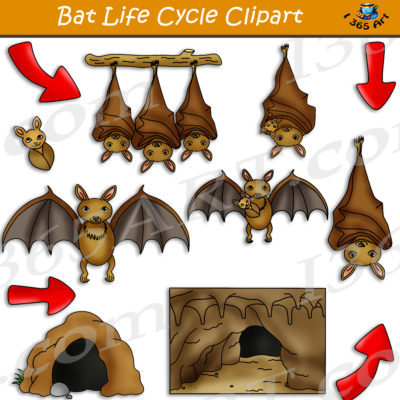
Bat Life Cycle Clipart Bundle
$5.00 -
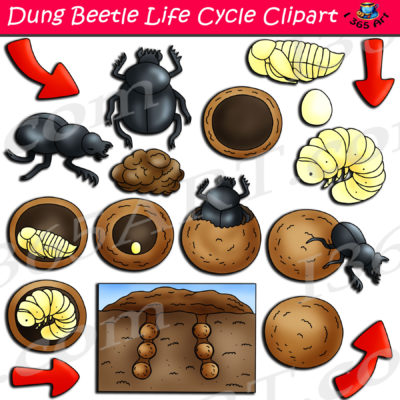
Dung Beetle Life Cycle Clipart Set
$5.00 -
Earthworm Life Cycle Clipart Bundle
$4.00 -
Spider Life Cycle Clipart Bundle Download
$5.00