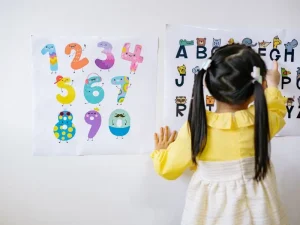
 If you’re an educator and you teach preschool, pre‑K or kindergarten, you know that counting is everywhere! It’s on your morning meeting board, in your math centers and woven into every “how many?” question your students ask. But counting isn’t just about reciting numbers. Real counting, I mean the kind that builds number sense, requires children to understand one‑to‑one correspondence and the idea that each object gets one number.
That really is a lot for a four or five year old brain to master! The good news is that with the right visuals and hands‑on activities, counting becomes concrete, playful and even joyful for young students. In this post, let’s explore why counting is a foundational math standard as well as how to teach it effectively and how counting‑based clipart can really be pivotal in making that happen!
The “Why”
First, let’s look at the “why.” In most early learning standards (including the Common Core for Kindergarten), counting and cardinality are the very first domains. Students must be able to count to 100 by ones and tens, count forward from a given number, and—most importantly—understand that the last number they say tells “how many.”
This concept, which we can call ‘cardinality’, is surprisingly kind of tricky. A child might count five blocks while touching each one, but once you ask them “How many blocks are there?” they may say “three” or even start counting again. That’s a sign that they still haven’t made the connection between counting and quantity. Teaching counting explicitly, with lots of visual support, can really help to close that gap!
Counting also builds the foundation for almost every other math skill. Addition and subtraction? That’s just counting on or back. When it comes to comparing numbers? That’s when we decide which set has fewer or more objects. Even place value relies on counting groups of ten. So when you spend time on counting activities, keep in mind that you’re not just teaching your students a single standard. You’re also building a mental toolbox that will serve your students for years to come.
So how do we actually make counting stick? Research and classroom experience both point to one answer: visuals and hands‑on practice. Young students need to be able to see, touch and manipulate objects or images as they count! Visual learning is just better!
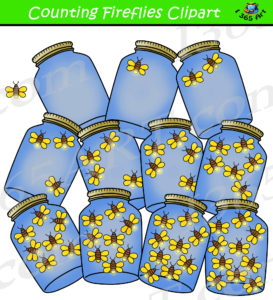
Abstract worksheets alone just isn’t going to cut it most of the time. That’s where high‑quality counting clipart becomes a game‑changer. Unlike physical counters (which roll away or get lost), clipart is a perfectly consistent and endlessly reusable resource! You can print it, laminate it, use it on a screen or add it to your digital assignments.
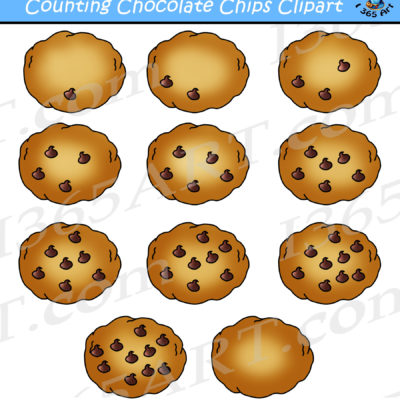
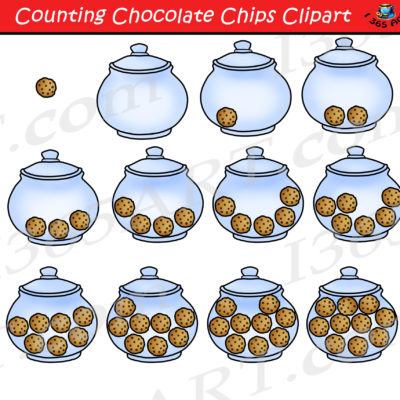
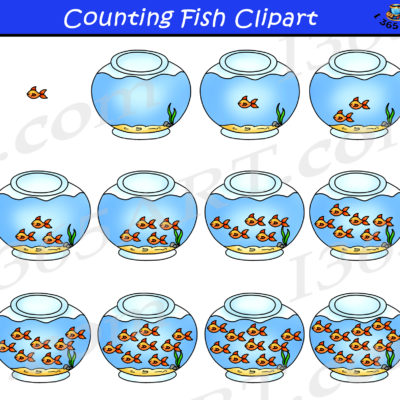
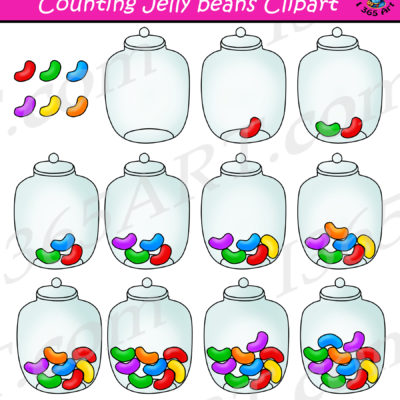
My Counting Clipart Collection was designed specifically for early childhood and kindergarten teachers. Each of these sets include bright, kid‑friendly images that make counting feel like a game.
Now let’s get practical. Here are three no‑prep activities you can build with these clipart sets tomorrow.
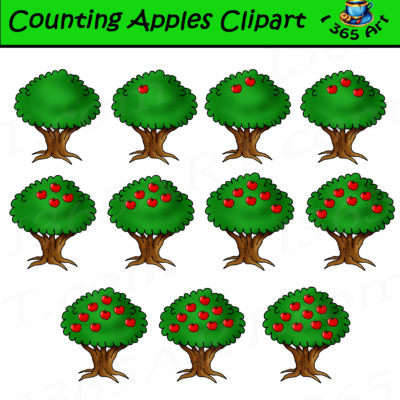
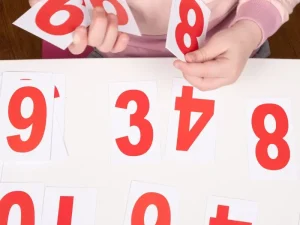 Activity 1: Counting Clip Cards. Print a set of cards showing a group of objects (3 apple trees, 7 french fry boxes, etc.). Students place a clothespin on the correct image. This builds fine motor skills while reinforcing one‑to‑one correspondence. You can make 20 different cards in minutes by arranging your counting clipart in any word processor or design tool. Laminate them, and you have a center that lasts all year.
Activity 2: Ten Frame Fill‑It. Give each student a blank ten frame mat (printable from my ten frame set) and a handful of small counters (real buttons or paper cutouts). Call out a number from 1 to 10. Students fill that many squares on their ten frame.
For a digital version, just use the same ten frame image in Google Slides and have students drag the counters. This activity builds subitizing (seeing quantity without counting) and place value understanding at the same time.
Activity 3: “Count and Compare” Mats. Print two mats side by side. On the left mat, place a set of clipart images (e.g., 5 butterflies). On the right mat, place a different set (e.g., 8 butterflies). Students count each set and then circle which one has more. You can also ask “How many more?” for advanced learners. This directly addresses the kindergarten standard of comparing numbers of objects.
Another powerful use of counting clipart is in your number of the day routine. Each day, focus on one number with your students. Display it within your classroom, in word form and with a ten frame. Then show multiple representations using clipart of your choice. Whether it be using fingers, dice, tally marks (if you have them) or different foods.
This repeated exposure across different visual formats helps solidify the meaning of each number for your students. Many teachers create a “Number of the Day” poster or anchor chart using clipart images, and then students complete a matching worksheet or digital slide.
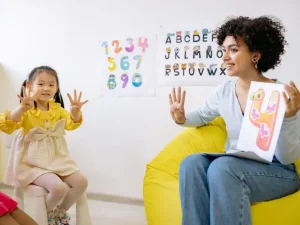 Finally, don’t forget about assessment. Counting clipart makes it easy to create quick checks for understanding. Print a half‑sheet with three different groups of objects. Ask students to write the number for each group. Alternatively, you can show a ten frame with some boxes filled and ask “How many more to make ten?” Because the images are clear and consistent and you’re ultimately measuring math understanding.
Ready to stock your math centers with engaging, time‑saving counting resources? Browse my complete Counting Clipart Collection HERE!
Products By Clipart 4 School
-

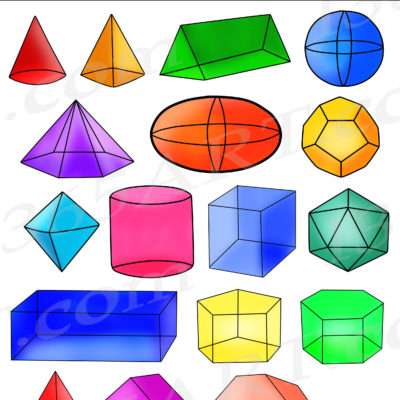
Shapes Clipart, Isometric 3D Shapes Digital Graphics
$5.00 -
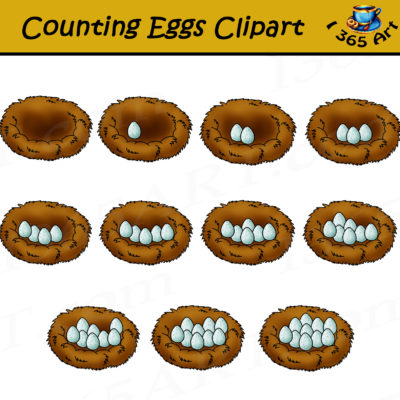
Egg Counting Clipart Commercial-Use
$3.00 -
Counting Clipart Apples Set for Commercial-Use
$3.00 -
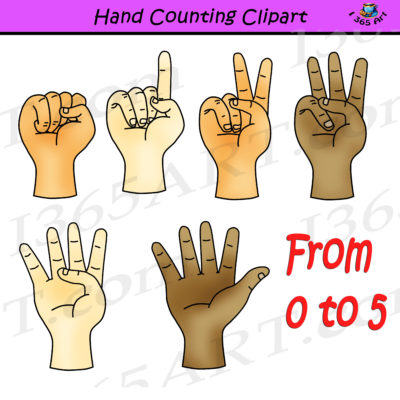
Hand Counting Clipart Set Finger Counting for Commercial-Use
$5.00 -
Counting Chocolate Chip Cookies Clipart Commercial-Use
$3.00 -
Counting Cookies Clipart, Cookie Jar Graphics
$3.00 -
Counting Fish Clipart
$3.00 -
Counting Jelly Beans Clipart, Candy Jar Graphics
$3.00 -
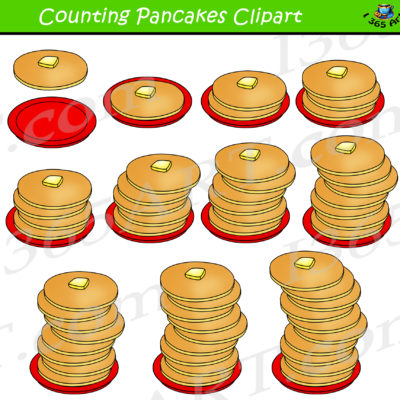
Counting Pancakes Clipart Download PNG
$3.00 -
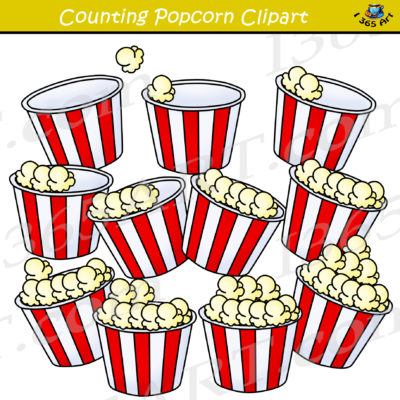
Counting Popcorn Clipart Set Download PNG
$3.00